By Georgios Vlantis
.jpg) [Από 31 Αυγούστου έως και 8 Σεπτεμβρίου 2022 πραγματοποιείται στην Καρλσρούη της Γερμανίας η 11η Συνέλευση του Παγκοσμίου Συμβουλίου Εκκλησιών, με θέμα «Η αγάπη του Χριστού κινεί τον κόσμο προς τη συμφιλίωση και την ενότητα». Πρόκειται για την πρώτη Σύνοδο του ΠΣΕ μετά την Αγία και Μεγάλη Σύνοδο της Ορθοδοξίας στην Κρήτη.
[Από 31 Αυγούστου έως και 8 Σεπτεμβρίου 2022 πραγματοποιείται στην Καρλσρούη της Γερμανίας η 11η Συνέλευση του Παγκοσμίου Συμβουλίου Εκκλησιών, με θέμα «Η αγάπη του Χριστού κινεί τον κόσμο προς τη συμφιλίωση και την ενότητα». Πρόκειται για την πρώτη Σύνοδο του ΠΣΕ μετά την Αγία και Μεγάλη Σύνοδο της Ορθοδοξίας στην Κρήτη.
Η 10η Γενική Συνέλευση του Παγκοσμίου Συμβουλίου Εκκλησιών πραγματοποιήθηκε στο Πουσάν της Νότιας Κορέας το 2013.
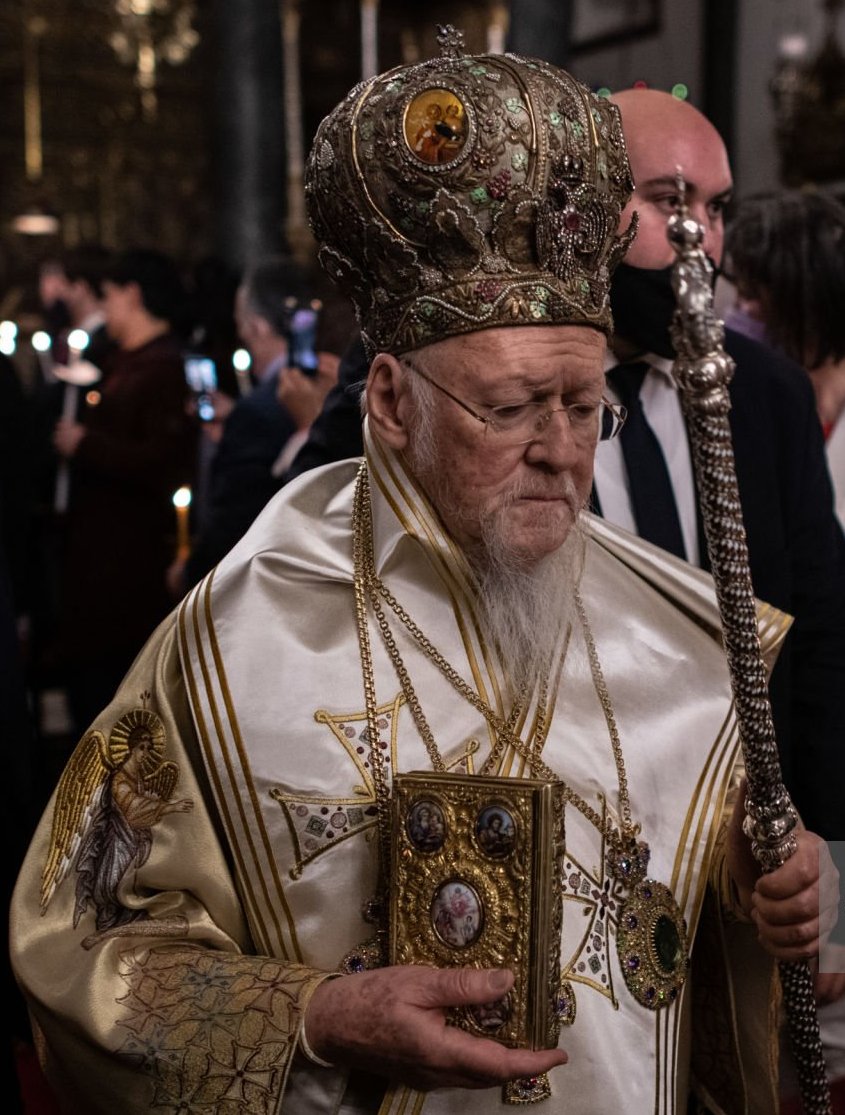
Επικεφαλής της Αντιπροσωπείας του Οικουμενικού Πατριαρχείου στην 11η Συνέλευση του ΠΣΕ είναι ο Σεβ. Μητροπολίτης Γέρων Χαλκηδόνος κ. Εμμανουήλ.
Στο Δελτίο ΕΝΗΜΕΡΩΣΙΣ της Αντιπροσωπείας του Οικουμενικού Πατριαρχείου στο ΠΣΕ (Ιούλιος – Αύγουστος 2022), δημοσιεύεται ένα ενδιαφέρον άρθρο του θεολόγου Γιώργου Βλαντή, Διευθυντού του Συμβουλίου των Χριστιανικών Εκκλησιών της Βαυαρίας και μέλους της Αντιπροσωπείας του Οικουμενικού Πατριαρχείου στην 11η Συνέλευση του ΠΣΕ.]
“Christ’s Love Moves the World to Reconciliation and Unity”: My first reaction to the theme of the 11th WCC Assembly (Karlsruhe, 31 August - 8 September 2022), long before the war in Ukraine, did not mirror enthusiasm. I regarded this sentence as nothing more than one of the platitudes so abundant in the ecumenical jargon. People less privileged than me (I live in Western Europe) may not find the theme only boring but even embarrassing: Soldiers in the agony of the battlefield, children suffering from famine, sexually abused persons do not experience fruits of love, reconciliation and unity. I suppose that many of them even ask: Is Christ present in this world at all, a world that does not seem to move to reconciliation and unity, but to deeper crisis and further destruction?
It is perhaps the way one reads the theme out that makes the difference: Not in the (so badly European and awfully colonial) narcissistic tone of somebody claiming to know God and to dispose all the answers, but in the liberating and at the same time prophetic humbleness of one who fervently seeks to get known of God (cf. Galatians 4:9) and therefore appears in front of Him wounded and full of questions, but also full of hope: We, as human beings, even as Christians, cannot move the world to reconciliation and unity. Lord, we need your love and its moving power. We believe. Help us overcome our unbelief (cf. Marc 9:24). In Orthodoxy we call this attitude apophaticism.



.jpg)